Best AI Writing Tools

Best AI Writing Tools — hands-on reviews, top picks, pricing, pros and cons and a practical how-to guide on Aizhi.

  • Brain technology

    Brain technology

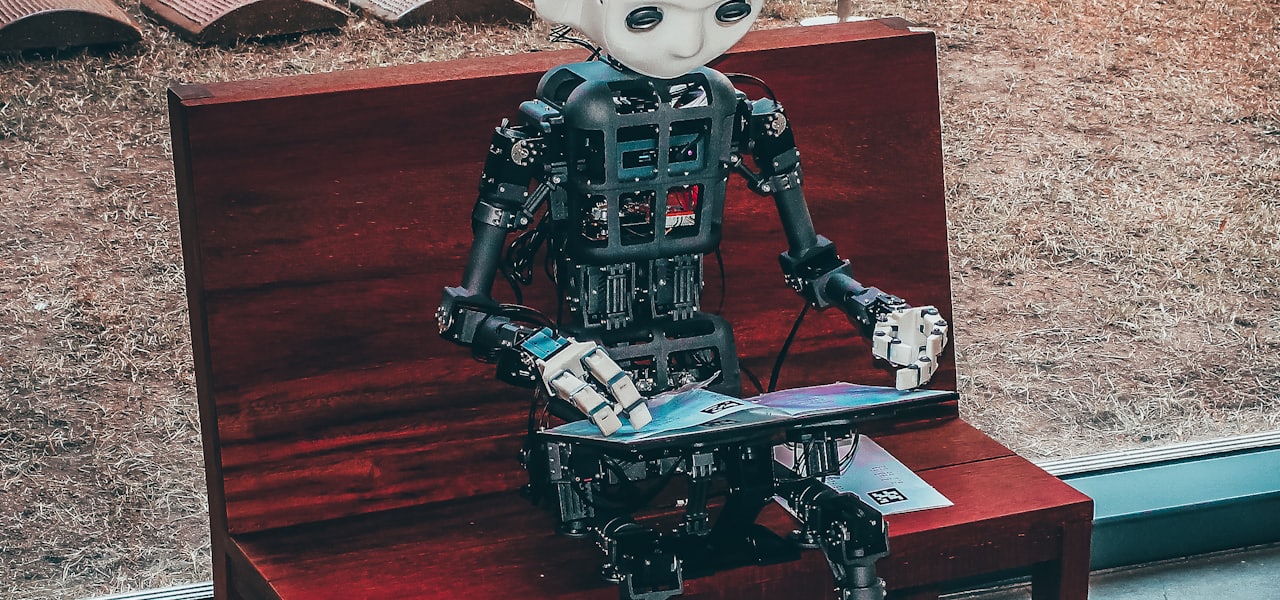
    Brain technology, or self-learning know-how systems, defines a technology that employs latest findings in neuroscience. [see also neuro implants] The term was first introduced by the Artificial Intelligence Laboratory in Zurich, Switzerland, in the context of the Roboy project. Brain Technology can be employed in robots, know-how management systems and any other application with self-learning capabilities. In particular, Brain Technology applications allow the visualization of the underlying learning architecture often coined as "know-how maps". == Research and applications == The first demonstrations of BC in humans and animals took place in the 1960s when Grey Walter demonstrated use of non-invasively recorded encephalogram (EEG) signals from a human subject to control a slide projector (Graimann et al., 2010). Soon after Jacques J. Vidal coined the term brain–computer interface (BCI) in 1971, the Defense Advanced Research Projects Agency (DARPA) first starting funding brain–computer interface research and has since funded several brain–computer interface projects. That market is expected to reach a value of $1.72 billion by 2022. Brain–computer interfaces record brain activity, transmit the information out of the body, signal-process the data via algorithms, and convert them into command control signals. In 2012, a landmark study in Nature, led by pioneer Leigh Hochberg, MD, PhD, demonstrated that two people with tetraplegia were able to control robotic arms through thought when connected to the BrainGate neural interface system. The two participants were able to reach for and grasp objects in three-dimensional space, and one participant used the system to serve herself coffee for the first time since becoming paralyzed nearly 15 years prior. And in October 2020, two patients were able to wirelessly control an operating system to text, email, shop and bank using direct thought through the Stentrode brain computer interface (Journal of NeuroInterventional Surgery) in a study led by Thomas Oxley. This was the first time a brain–computer interface was implanted via the patient's blood vessels, eliminating the need for open brain surgery. Currently a number of groups are exploring a range of experimental devices using brain–computer interfaces, which have the potential to fundamentally change the way of life for patients with paralysis and a wide range of neurological disorders. These include: as Elon Musk, Facebook, and the University of California in San Francisco. The systems. This technology is also being explored as a neuromodulation device and may ultimately help diagnose and treat a range of brain pathologies, such as epilepsy and Parkinson's disease.

    Read more →
  • Constructing skill trees

    Constructing skill trees

    Constructing skill trees (CST) is a hierarchical reinforcement learning algorithm which can build skill trees from a set of sample solution trajectories obtained from demonstration. CST uses an incremental MAP (maximum a posteriori) change point detection algorithm to segment each demonstration trajectory into skills and integrate the results into a skill tree. CST was introduced by George Konidaris, Scott Kuindersma, Andrew Barto and Roderic Grupen in 2010. == Algorithm == CST consists of mainly three parts;change point detection, alignment and merging. The main focus of CST is online change-point detection. The change-point detection algorithm is used to segment data into skills and uses the sum of discounted reward R t {\displaystyle R_{t}} as the target regression variable. Each skill is assigned an appropriate abstraction. A particle filter is used to control the computational complexity of CST. The change point detection algorithm is implemented as follows. The data for times t ∈ T {\displaystyle t\in T} and models Q with prior p ( q ∈ Q ) {\displaystyle p(q\in Q)} are given. The algorithm is assumed to be able to fit a segment from time j + 1 {\displaystyle j+1} to t using model q with the fit probability P ( j , t , q ) {\displaystyle P(j,t,q)_{}^{}} . A linear regression model with Gaussian noise is used to compute P ( j , t , q ) {\displaystyle P(j,t,q)} . The Gaussian noise prior has mean zero, and variance which follows I n v e r s e G a m m a ( v 2 , u 2 ) {\displaystyle \mathrm {InverseGamma} \left({\frac {v}{2}},{\frac {u}{2}}\right)} . The prior for each weight follows N o r m a l ( 0 , σ 2 δ ) {\displaystyle \mathrm {Normal} (0,\sigma ^{2}\delta )} . The fit probability P ( j , t , q ) {\displaystyle P(j,t,q)} is computed by the following equation. P ( j , t , q ) = π − n 2 δ m | ( A + D ) − 1 | 1 2 u v 2 ( y + u ) u + v 2 Γ ( n + v 2 ) Γ ( v 2 ) {\displaystyle P(j,t,q)={\frac {\pi ^{-{\frac {n}{2}}}}{\delta ^{m}}}\left|(A+D)^{-1}\right|^{\frac {1}{2}}{\frac {u^{\frac {v}{2}}}{(y+u)^{\frac {u+v}{2}}}}{\frac {\Gamma ({\frac {n+v}{2}})}{\Gamma ({\frac {v}{2}})}}} Then, CST compute the probability of the changepoint at time j with model q, P t ( j , q ) {\displaystyle P_{t}(j,q)} and P j MAP {\displaystyle P_{j}^{\text{MAP}}} using a Viterbi algorithm. P t ( j , q ) = ( 1 − G ( t − j − 1 ) ) P ( j , t , q ) p ( q ) P j MAP {\displaystyle P_{t}(j,q)=(1-G(t-j-1))P(j,t,q)p(q)P_{j}^{\text{MAP}}} P j MAP = max i , q P j ( i , q ) g ( j − i ) 1 − G ( j − i − 1 ) , ∀ j < t {\displaystyle P_{j}^{\text{MAP}}=\max _{i,q}{\frac {P_{j}(i,q)g(j-i)}{1-G(j-i-1)}},\forall j Read more →

  • Optical neural network

    Optical neural network

    An optical neural network is a physical implementation of an artificial neural network with optical components. Early optical neural networks used a photorefractive Volume hologram to interconnect arrays of input neurons to arrays of output with synaptic weights in proportion to the multiplexed hologram's strength. Volume holograms were further multiplexed using spectral hole burning to add one dimension of wavelength to space to achieve four dimensional interconnects of two dimensional arrays of neural inputs and outputs. This research led to extensive research on alternative methods using the strength of the optical interconnect for implementing neuronal communications. Some artificial neural networks that have been implemented as optical neural networks include the Hopfield neural network and the Kohonen self-organizing map with liquid crystal spatial light modulators Optical neural networks can also be based on the principles of neuromorphic engineering, creating neuromorphic photonic systems. Typically, these systems encode information in the networks using spikes, mimicking the functionality of spiking neural networks in optical and photonic hardware. Photonic devices that have demonstrated neuromorphic functionalities include (among others) vertical-cavity surface-emitting lasers, integrated photonic modulators, optoelectronic systems based on superconducting Josephson junctions or systems based on resonant tunnelling diodes. == Electrochemical vs. optical neural networks == Biological neural networks function on an electrochemical basis, while optical neural networks use electromagnetic waves. Optical interfaces to biological neural networks can be created with optogenetics, but is not the same as an optical neural networks. In biological neural networks there exist a lot of different mechanisms for dynamically changing the state of the neurons, these include short-term and long-term synaptic plasticity. Synaptic plasticity is among the electrophysiological phenomena used to control the efficiency of synaptic transmission, long-term for learning and memory, and short-term for short transient changes in synaptic transmission efficiency. Implementing this with optical components is difficult, and ideally requires advanced photonic materials. Properties that might be desirable in photonic materials for optical neural networks include the ability to change their efficiency of transmitting light, based on the intensity of incoming light. == Rising Era of Optical Neural Networks == With the increasing significance of computer vision in various domains, the computational cost of these tasks has increased, making it more important to develop the new approaches of the processing acceleration. Optical computing has emerged as a potential alternative to GPU acceleration for modern neural networks, particularly considering the looming obsolescence of Moore's Law. Consequently, optical neural networks have garnered increased attention in the research community. Presently, two primary methods of optical neural computing are under research: silicon photonics-based and free-space optics. Each approach has its benefits and drawbacks; while silicon photonics may offer superior speed, it lacks the massive parallelism that free-space optics can deliver. Given the substantial parallelism capabilities of free-space optics, researchers have focused on taking advantage of it. One implementation, proposed by Lin et al., involves the training and fabrication of phase masks for a handwritten digit classifier. By stacking 3D-printed phase masks, light passing through the fabricated network can be read by a photodetector array of ten detectors, each representing a digit class ranging from 1 to 10. Although this network can achieve terahertz-range classification, it lacks flexibility, as the phase masks are fabricated for a specific task and cannot be retrained. An alternative method for classification in free-space optics, introduced by Cahng et al., employs a 4F system that is based on the convolution theorem to perform convolution operations. This system uses two lenses to execute the Fourier transforms of the convolution operation, enabling passive conversion into the Fourier domain without power consumption or latency. However, the convolution operation kernels in this implementation are also fabricated phase masks, limiting the device's functionality to specific convolutional layers of the network only. In contrast, Li et al. proposed a technique involving kernel tiling to use the parallelism of the 4F system while using a Digital Micromirror Device (DMD) instead of a phase mask. This approach allows users to upload various kernels into the 4F system and execute the entire network's inference on a single device. Unfortunately, modern neural networks are not designed for the 4F systems, as they were primarily developed during the CPU/GPU era. Mostly because they tend to use a lower resolution and a high number of channels in their feature maps. == Other Implementations == In 2007 there was one model of Optical Neural Network: the Programmable Optical Array/Analogic Computer (POAC). It had been implemented in the year 2000 and reported based on modified Joint Fourier Transform Correlator (JTC) and Bacteriorhodopsin (BR) as a holographic optical memory. Full parallelism, large array size and the speed of light are three promises offered by POAC to implement an optical CNN. They had been investigated during the last years with their practical limitations and considerations yielding the design of the first portable POAC version. The practical details – hardware (optical setups) and software (optical templates) – were published. However, POAC is a general purpose and programmable array computer that has a wide range of applications including: image processing pattern recognition target tracking real-time video processing document security optical switching == Progress in the 2020s == Taichi from Tsinghua University in Beijing is a hybrid ONN that combines the power efficiency and parallelism of optical diffraction and the configurability of optical interference. Taichi offers 13.96 million parameters. Taichi avoids the high error rates that afflict deep (multi-layer) networks by combining clusters of fewer-layer diffractive units with arrays of interferometers for reconfigurable computation. Its encoding protocol divides large network models into sub-models that can be distributed across multiple chiplets in parallel. Taichi achieved 91.89% accuracy in tests with the Omniglot database. It was also used to generate music Bach and generate images the styles of Van Gogh and Munch. The developers claimed energy efficiency of up to 160 trillion operations second−1 watt−1 and an area efficiency of 880 trillion multiply-accumulate operations mm−2 or 103 more energy efficient than the NVIDIA H100, and 102 times more energy efficient and 10 times more area efficient than previous ONNs. Time dimension has recently been introduced into diffractive neural network by fs laser lithography of perovskite hydration. The temporal behaviour of the neuron can be modulated by the fs laser at the nanoscale, enabling a programmable holographic neural network with temporal evolution functionality, i.e., the functionality can change with time under the hydration stimuli. An in-memory temporal inference functionality was demonstrated to mimic the function evolution of the human brain, i.e., the functionality can change from simple digit image classification to more complicated digit and clothing product image classification with time. This is the first time of introducing time dimension into the optical neural network, laying a foundation for future brain-like photonic chip development.

    Read more →
  • Stochastic gradient descent

    Stochastic gradient descent

    Stochastic gradient descent (often abbreviated SGD) is an iterative method for optimizing an objective function with suitable smoothness properties (e.g. differentiable or subdifferentiable). It can be regarded as a stochastic approximation of gradient descent optimization, since it replaces the actual gradient (calculated from the entire data set) by an estimate thereof (calculated from a randomly selected subset of the data). Especially in high-dimensional optimization problems this reduces the very high computational burden, achieving faster iterations in exchange for a lower convergence rate. The basic idea behind stochastic approximation can be traced back to the Robbins–Monro algorithm of the 1950s. Today, stochastic gradient descent has become an important optimization method in machine learning. == Background == Both statistical estimation and machine learning consider the problem of minimizing an objective function that has the form of a sum: Q ( w ) = 1 n ∑ i = 1 n Q i ( w ) , {\displaystyle Q(w)={\frac {1}{n}}\sum _{i=1}^{n}Q_{i}(w),} where the parameter w {\displaystyle w} that minimizes Q ( w ) {\displaystyle Q(w)} is to be estimated. Each summand function Q i {\displaystyle Q_{i}} is typically associated with the i {\displaystyle i} -th observation in the data set (used for training). In classical statistics, sum-minimization problems arise in least squares and in maximum-likelihood estimation (for independent observations). The general class of estimators that arise as minimizers of sums are called M-estimators. However, in statistics, it has been long recognized that requiring even local minimization is too restrictive for some problems of maximum-likelihood estimation. Therefore, contemporary statistical theorists often consider stationary points of the likelihood function (or zeros of its derivative, the score function, and other estimating equations). The sum-minimization problem also arises for empirical risk minimization. There, Q i ( w ) {\displaystyle Q_{i}(w)} is the value of the loss function at i {\displaystyle i} -th example, and Q ( w ) {\displaystyle Q(w)} is the empirical risk. When used to minimize the above function, a standard (or "batch") gradient descent method would perform the following iterations: w := w − η ∇ Q ( w ) = w − η n ∑ i = 1 n ∇ Q i ( w ) . {\displaystyle w:=w-\eta \,\nabla Q(w)=w-{\frac {\eta }{n}}\sum _{i=1}^{n}\nabla Q_{i}(w).} The step size is denoted by η {\displaystyle \eta } (sometimes called the learning rate in machine learning) and here " := {\displaystyle :=} " denotes the update of a variable in the algorithm. In many cases, the summand functions have a simple form that enables inexpensive evaluations of the sum-function and the sum gradient. For example, in statistics, one-parameter exponential families allow economical function-evaluations and gradient-evaluations. However, in other cases, evaluating the sum-gradient may require expensive evaluations of the gradients from all summand functions. When the training set is enormous and no simple formulas exist, evaluating the sums of gradients becomes very expensive, because evaluating the gradient requires evaluating all the summand functions' gradients. To economize on the computational cost at every iteration, stochastic gradient descent samples a subset of summand functions at every step. This is very effective in the case of large-scale machine learning problems. == Iterative method == In stochastic (or "on-line") gradient descent, the true gradient of Q ( w ) {\displaystyle Q(w)} is approximated by a gradient at a single sample: w := w − η ∇ Q i ( w ) . {\displaystyle w:=w-\eta \,\nabla Q_{i}(w).} As the algorithm sweeps through the training set, it performs the above update for each training sample. Several passes can be made over the training set until the algorithm converges. If this is done, the data can be shuffled for each pass to prevent cycles. Typical implementations may use an adaptive learning rate so that the algorithm converges. In pseudocode, stochastic gradient descent can be presented as : A compromise between computing the true gradient and the gradient at a single sample is to compute the gradient against more than one training sample (called a "mini-batch") at each step. This can perform significantly better than "true" stochastic gradient descent described, because the code can make use of vectorization libraries rather than computing each step separately as was first shown in where it was called "the bunch-mode back-propagation algorithm". It may also result in smoother convergence, as the gradient computed at each step is averaged over more training samples. The convergence of stochastic gradient descent has been analyzed using the theories of convex minimization and of stochastic approximation. Briefly, when the learning rates η {\displaystyle \eta } decrease with an appropriate rate, and subject to relatively mild assumptions, stochastic gradient descent converges almost surely to a global minimum when the objective function is convex or pseudoconvex, and otherwise converges almost surely to a local minimum. This is in fact a consequence of the Robbins–Siegmund theorem. == Linear regression == Suppose we want to fit a straight line y ^ = w 1 + w 2 x {\displaystyle {\hat {y}}=w_{1}+w_{2}x} to a training set with observations ( ( x 1 , y 1 ) , ( x 2 , y 2 ) … , ( x n , y n ) ) {\displaystyle ((x_{1},y_{1}),(x_{2},y_{2})\ldots ,(x_{n},y_{n}))} and corresponding estimated responses ( y ^ 1 , y ^ 2 , … , y ^ n ) {\displaystyle ({\hat {y}}_{1},{\hat {y}}_{2},\ldots ,{\hat {y}}_{n})} using least squares. The objective function to be minimized is Q ( w ) = ∑ i = 1 n Q i ( w ) = ∑ i = 1 n ( y ^ i − y i ) 2 = ∑ i = 1 n ( w 1 + w 2 x i − y i ) 2 . {\displaystyle Q(w)=\sum _{i=1}^{n}Q_{i}(w)=\sum _{i=1}^{n}\left({\hat {y}}_{i}-y_{i}\right)^{2}=\sum _{i=1}^{n}\left(w_{1}+w_{2}x_{i}-y_{i}\right)^{2}.} The last line in the above pseudocode for this specific problem will become: [ w 1 w 2 ] ← [ w 1 w 2 ] − η [ ∂ ∂ w 1 ( w 1 + w 2 x i − y i ) 2 ∂ ∂ w 2 ( w 1 + w 2 x i − y i ) 2 ] = [ w 1 w 2 ] − η [ 2 ( w 1 + w 2 x i − y i ) 2 x i ( w 1 + w 2 x i − y i ) ] . {\displaystyle {\begin{bmatrix}w_{1}\\w_{2}\end{bmatrix}}\leftarrow {\begin{bmatrix}w_{1}\\w_{2}\end{bmatrix}}-\eta {\begin{bmatrix}{\frac {\partial }{\partial w_{1}}}(w_{1}+w_{2}x_{i}-y_{i})^{2}\\{\frac {\partial }{\partial w_{2}}}(w_{1}+w_{2}x_{i}-y_{i})^{2}\end{bmatrix}}={\begin{bmatrix}w_{1}\\w_{2}\end{bmatrix}}-\eta {\begin{bmatrix}2(w_{1}+w_{2}x_{i}-y_{i})\\2x_{i}(w_{1}+w_{2}x_{i}-y_{i})\end{bmatrix}}.} Note that in each iteration or update step, the gradient is only evaluated at a single x i {\displaystyle x_{i}} . This is the key difference between stochastic gradient descent and batched gradient descent. In general, given a linear regression y ^ = ∑ k ∈ 1 : m w k x k {\displaystyle {\hat {y}}=\sum _{k\in 1:m}w_{k}x_{k}} problem, stochastic gradient descent behaves differently when m < n {\displaystyle m

  • Integreat

    Integreat

    Integreat (former project name: Refguide+) is an open source mobile app that provides local information and services tailored to refugees and migrants coming to Germany. The content is maintained by local organizations, such as local governments or integration officers, and made available in locally relevant languages. It was developed by Tür an Tür - Digitalfabrik gGmbH (formerly Tür an Tür - Digital Factory gGmbH) in Augsburg together with a team of researchers and students from the Technical University of Munich. == History == In 1997, the Augsburg association "Tür an Tür", which has been working for refugees since 1992, published the brochure "First Steps", which answers local everyday questions. Since addresses and contact persons change quickly, some information is already outdated after a few weeks. Students of business informatics at the Technical University of Munich therefore developed the app Integreat within eight months together with the association and the social department of the city of Augsburg. The app was then also used by other cities and districts within months. As of February 3, 2022, information is available at 72 locations, including Munich, Dortmund, Nuremberg and Augsburg. == Mode of action == Refugees need information on areas such as registration, contact persons, health care, education, family, work and everyday life. Integreat seeks to provide refugees with this information by allowing them to select their geographic location and receive locally relevant information. This information is available offline once the app is opened so it can be used without an internet connection. In addition, the content is translated into the native languages of refugees and migrants to facilitate access. The content is licensed with a CC BY 4.0 license to facilitate collaboration and translation between content creators and dissemination of the content. Integreat is now being used for a broader migrant audience and says it can also support professionals, volunteers, and counseling centers. == Comparable mobile apps == Other mobile apps that are likewise intended to provide initial orientation for refugees include the app Ankommen, a joint project of the Federal Office for Migration and Refugees, the Goethe-Institut, the Federal Employment Agency and the Bavarian Broadcasting Corporation, which is intended as a companion for the first few weeks in Germany, and the Welcome App, a company-sponsored non-profit initiative for information about Germany and asylum procedures with a regional focus, and a book by the Konrad Adenauer Foundation (KAS) and Verlag Herder with a corresponding app Deutschland - Erste Informationen für Flüchtlinge (Germany - First Information for Refugees) as a companion for Arabic-speaking refugees in Germany.

    Read more →
  • Sammon mapping

    Sammon mapping

    Sammon mapping or Sammon projection is an algorithm that maps a high-dimensional space to a space of lower dimensionality (see multidimensional scaling) by trying to preserve the structure of inter-point distances in high-dimensional space in the lower-dimension projection. It is particularly suited for use in exploratory data analysis. The method was proposed by John W. Sammon in 1969. It is considered a non-linear approach as the mapping cannot be represented as a linear combination of the original variables as possible in techniques such as principal component analysis, which also makes it more difficult to use for classification applications. Denote the distance between ith and jth objects in the original space by d i j ∗ {\displaystyle \scriptstyle d_{ij}^{}} , and the distance between their projections by d i j {\displaystyle \scriptstyle d_{ij}^{}} . Sammon's mapping aims to minimize the following error function, which is often referred to as Sammon's stress or Sammon's error: E = 1 ∑ i < j d i j ∗ ∑ i < j ( d i j ∗ − d i j ) 2 d i j ∗ . {\displaystyle E={\frac {1}{\sum \limits _{i Read more →

  • Physical neural network

    Physical neural network

    A physical neural network is a type of artificial neural network in which an electrically adjustable material is used to emulate the function of a neural synapse or a higher-order (dendritic) neuron model. "Physical" neural network is used to emphasize the reliance on physical hardware used to emulate neurons as opposed to software-based approaches. More generally the term is applicable to other artificial neural networks in which a memristor or other electrically adjustable resistance material is used to emulate a neural synapse. == Types of physical neural networks == === ADALINE === In the 1960s Bernard Widrow and Ted Hoff developed ADALINE (Adaptive Linear Neuron) which used electrochemical cells called memistors (memory resistors) to emulate synapses of an artificial neuron. The memistors were implemented as 3-terminal devices operating based on the reversible electroplating of copper such that the resistance between two of the terminals is controlled by the integral of the current applied via the third terminal. The ADALINE circuitry was briefly commercialized by the Memistor Corporation in the 1960s enabling some applications in pattern recognition. However, since the memistors were not fabricated using integrated circuit fabrication techniques the technology was not scalable and was eventually abandoned as solid-state electronics became mature. === Analog VLSI === In 1989 Carver Mead published his book Analog VLSI and Neural Systems, which spun off perhaps the most common variant of analog neural networks. The physical realization is implemented in analog VLSI. This is often implemented as field effect transistors in low inversion. Such devices can be modelled as translinear circuits. This is a technique described by Barrie Gilbert in several papers around mid 1970th, and in particular his Translinear Circuits from 1981. With this method circuits can be analyzed as a set of well-defined functions in steady-state, and such circuits assembled into complex networks. === Physical Neural Network === Alex Nugent describes a physical neural network as one or more nonlinear neuron-like nodes used to sum signals and nanoconnections formed from nanoparticles, nanowires, or nanotubes which determine the signal strength input to the nodes. Alignment or self-assembly of the nanoconnections is determined by the history of the applied electric field performing a function analogous to neural synapses. Numerous applications for such physical neural networks are possible. For example, a temporal summation device can be composed of one or more nanoconnections having an input and an output thereof, wherein an input signal provided to the input causes one or more of the nanoconnection to experience an increase in connection strength thereof over time. Another example of a physical neural network is taught by U.S. Patent No. 7,039,619 entitled "Utilized nanotechnology apparatus using a neural network, a solution and a connection gap," which issued to Alex Nugent by the U.S. Patent & Trademark Office on May 2, 2006. A further application of physical neural network is shown in U.S. Patent No. 7,412,428 entitled "Application of hebbian and anti-hebbian learning to nanotechnology-based physical neural networks," which issued on August 12, 2008. Nugent and Molter have shown that universal computing and general-purpose machine learning are possible from operations available through simple memristive circuits operating the AHaH plasticity rule. More recently, it has been argued that also complex networks of purely memristive circuits can serve as neural networks. === Phase change neural network === In 2002, Stanford Ovshinsky described an analog neural computing medium in which phase-change material has the ability to cumulatively respond to multiple input signals. An electrical alteration of the resistance of the phase change material is used to control the weighting of the input signals. === Memristive neural network === Greg Snider of HP Labs describes a system of cortical computing with memristive nanodevices. The memristors (memory resistors) are implemented by thin film materials in which the resistance is electrically tuned via the transport of ions or oxygen vacancies within the film. DARPA's SyNAPSE project has funded IBM Research and HP Labs, in collaboration with the Boston University Department of Cognitive and Neural Systems (CNS), to develop neuromorphic architectures which may be based on memristive systems. === Protonic artificial synapses === In 2022, researchers reported the development of nanoscale brain-inspired artificial synapses, using the ion proton (H+), for 'analog deep learning'.

    Read more →
  • Julia (programming language)

    Julia (programming language)

    Julia is a dynamic general-purpose programming language. As a high-level language, distinctive aspects of Julia's design include a type system with parametric polymorphism, the use of multiple dispatch as a core programming paradigm, just-in-time compilation and a parallel garbage collection implementation. Notably, Julia does not support classes with encapsulated methods but instead relies on the types of all of a function's arguments to determine which method will be called. By default, Julia is run similarly to scripting languages, using its runtime, and allows for interactions, but Julia programs can also be compiled to small binary standalone executables (or to small libraries for e.g. Python), with e.g. the JuliaC.jl compiler. Julia programs can reuse libraries from other languages, and vice versa. Julia has interoperability with C, C++, Fortran, Rust, Python, and R. Additionally, some Julia packages have bindings to be used from Python and R as libraries. Julia is supported by programmer tools like IDEs (see below) and by notebooks like Pluto.jl, Jupyter, and since 2025, Google Colab officially supports Julia natively. Julia is sometimes used in embedded systems (e.g. has been used in a satellite in space on a Raspberry Pi Compute Module 4; 64-bit Pis work best with Julia, and Julia is supported in Raspbian). == History == Work on Julia began in 2009, when Jeff Bezanson, Stefan Karpinski, Viral B. Shah, and Alan Edelman set out to create a free language that was both high-level and fast. On 14 February 2012, the team launched a website with a blog post explaining the language's mission. In an interview with InfoWorld in April 2012, Karpinski said about the name of the language, Julia: "There's no good reason, really. It just seemed like a pretty name." Bezanson said he chose the name on the recommendation of a friend, then years later wrote: Maybe julia stands for "Jeff's uncommon lisp is automated"? Julia's syntax is stable, since version 1.0 in 2018, and Julia has a backward compatibility guarantee for 1.x and also a stability promise for the documented (stable) API, while in the years before in the early development prior to 0.7 the syntax (and semantics) was changed in new versions. All of the (registered package) ecosystem uses the new and improved syntax, and in most cases relies on new APIs that have been added regularly, and in some cases minor additional syntax added in a forward compatible way e.g. in Julia 1.7. In the 10 years since the 2012 launch of pre-1.0 Julia, the community has grown. The Julia package ecosystem has over 11.8 million lines of code (including docs and tests). The JuliaCon academic conference for Julia users and developers has been held annually since 2014 with JuliaCon2020 welcoming over 28,900 unique viewers, and then JuliaCon2021 breaking all previous records (with more than 300 JuliaCon2021 presentations available for free on YouTube, up from 162 the year before), and 43,000 unique viewers during the conference. Three of the Julia co-creators are the recipients of the 2019 James H. Wilkinson Prize for Numerical Software (awarded every four years) "for the creation of Julia, an innovative environment for the creation of high-performance tools that enable the analysis and solution of computational science problems." Also, Alan Edelman, professor of applied mathematics at MIT, has been selected to receive the 2019 IEEE Computer Society Sidney Fernbach Award "for outstanding breakthroughs in high-performance computing, linear algebra, and computational science and for contributions to the Julia programming language." Version 0.3 was released in August 2014. Both Julia 0.7 and version 1.0 were released on 8 August 2018. Julia 1.4 added syntax for generic array indexing to handle e.g. 0-based arrays. The memory model was also changed. Julia 1.5 released in August 2020 added record and replay debugging support, for Mozilla's rr tool. The release changed the behavior in the REPL (to soft scope) to the one used in Jupyter, but keeps full compatible with non-REPL code (that retains hard scope). Julia 1.6 was the largest release since 1.0, and it was the long-term support (LTS) version for the longest time. Since Julia 1.7 development is back to time-based releases, and it was released in November 2021 with e.g. a new default random-number generator and Julia 1.7.3 fixed at least one security issue. Julia 1.8 added options for hiding source code when compiling Julia source code to executables. Julia 1.9 has added the ability to precompile packages to native machine code, done automatically; to improve precompilation of packages a new package PrecompileTools.jl was introduced, for use by package developers. Julia 1.10 was released on 25 December 2023 with new features such as parallel garbage collection. Julia 1.11 was released on 7 October 2024, and with it 1.10.5 became the next long-term support (LTS) version (i.e. those became the only two supported versions), since replaced by 1.10.10 released on 27 June, and 1.6 is no longer an LTS version. Julia 1.11 adds e.g. the new public keyword to signal safe public API (Julia users are advised to use such API, not internals, of Julia or packages, and package authors advised to use the keyword, generally indirectly, e.g. prefixed with the @compat macro, from Compat.jl, to also support older Julia versions, at least the LTS version). Julia 1.12 was released on 7 October 2025 (and 1.12.5 on 9 February 2026), and with it a JuliaC.jl package including the juliac compiler that works with it, for making rather small binary executables (much smaller than was possible before; through the use of new so-called trimming feature). Julia 1.10 LTS is an officially still-supported branch, but the 1.11 branch has also been maintained after 1.12 release, with 1.11.8 released and then 1.11.9 released on 8 February 2026. === JuliaCon === Since 2014, the Julia Community has hosted an annual Julia Conference focused on developers and users. The first JuliaCon took place in Chicago and kickstarted the annual occurrence of the conference. Since 2014, the conference has taken place across a number of locations including MIT and the University of Maryland, Baltimore. The event audience has grown from a few dozen people to over 28,900 unique attendees during JuliaCon 2020, which took place virtually. JuliaCon 2021 also took place virtually with keynote addresses from professors William Kahan, the primary architect of the IEEE 754 floating-point standard (which virtually all CPUs and languages, including Julia, use), Jan Vitek, Xiaoye Sherry Li, and Soumith Chintala, a co-creator of PyTorch. JuliaCon grew to 43,000 unique attendees and more than 300 presentations (still freely accessible, plus for older years). JuliaCon 2022 will also be virtual held between July 27 and July 29, 2022, for the first time in several languages, not just in English. === Sponsors === The Julia language became a NumFOCUS fiscally sponsored project in 2014 in an effort to ensure the project's long-term sustainability. Jeremy Kepner at MIT Lincoln Laboratory was the founding sponsor of the Julia project in its early days. In addition, funds from the Gordon and Betty Moore Foundation, the Alfred P. Sloan Foundation, Intel, and agencies such as NSF, DARPA, NIH, NASA, and FAA have been essential to the development of Julia. Mozilla, the maker of Firefox web browser, with its research grants for H1 2019, sponsored "a member of the official Julia team" for the project "Bringing Julia to the Browser", meaning to Firefox and other web browsers. The Julia language is also supported by individual donors on GitHub. === The Julia company === JuliaHub, Inc. was founded in 2015 as Julia Computing, Inc. by Viral B. Shah, Deepak Vinchhi, Alan Edelman, Jeff Bezanson, Stefan Karpinski and Keno Fischer. In June 2017, Julia Computing raised US$4.6 million in seed funding from General Catalyst and Founder Collective, the same month was "granted $910,000 by the Alfred P. Sloan Foundation to support open-source Julia development, including $160,000 to promote diversity in the Julia community", and in December 2019 the company got $1.1 million funding from the US government to "develop a neural component machine learning tool to reduce the total energy consumption of heating, ventilation, and air conditioning (HVAC) systems in buildings". In July 2021, Julia Computing announced they raised a $24 million Series A round led by Dorilton Ventures, which also owns Formula One team Williams Racing, that partnered with Julia Computing. Williams' Commercial Director said: "Investing in companies building best-in-class cloud technology is a strategic focus for Dorilton and Julia's versatile platform, with revolutionary capabilities in simulation and modelling, is hugely relevant to our business. We look forward to embedding Julia Computing in the world's most technologically advanced sport". In June 2023, JuliaHub received (again, now

    Read more →
  • Web Dynpro

    Web Dynpro

    Web Dynpro (WD) is a web application technology developed by SAP SE that focuses on the development of server-side business applications. For modern releases (for instance as of NetWeaver 750, software layer SAP_UI) the user interface is rendered according to the HTML5 web standard. Since Netweaver 754 (software layer SAP_UI, ABAP Platform 1909) a touch enabled user interface is available. The newly released versions usually follow the SAP Fiori design principles. One of its main design features is that the user interface is defined in an entirely declarative manner. Web Dynpro applications can be developed using either the Java (Web Dynpro for Java, WDJ or WD4J) or ABAP (Web Dynpro ABAP, WDA or WD4A) development infrastructure. == Overview == The earliest version of Web Dynpro appeared in 2003 and was based on Java. This variant was released approximately 18 months before the ABAP variant. As of 2010, the Java variant of Web Dynpro was put into maintenance mode. WD follows a design architecture based on an interpretation of the MVC design pattern and uses a model driven development approach ("minimize coding, maximize design"). The Web Dynpro Framework is a server-side runtime environment into which many dedicated "hook methods" are available. The developer then places their own custom coding within these hook methods in order to implement the desired business functionality. These hook methods belong to one of the broad categories of either "life-cycle" and "round-trip"; that is, those methods that are concerned with the life-cycle of a software component (i.e. processing that takes place at start up and shut down etc.), and those methods that are concerned with processing the fixed sequence of events that take place during a client-initiated round trip to the server. Web Dynpro is aimed at the development of business applications that follow standardized UI principles, applications that connect to backend systems and which are scalable. Key Capabilities Declarative way of development: Web Dynpro offers a graphical and declarative means of UI development. UI controls, building blocks, views and windows are modeled, and the business logic can be coded separately. Separation of user interface and business logic: One advantage of Web Dynpro over SAP GUI is the separation between business logic and user interface, and the structured development process with less implementation effort. Support of stateful application: The state of the application is kept in the back-end. This leads to a reduced data transfer from ABAP server to browser and vice versa. Regarding Web Dynpro ABAP there is only one programming language (ABAP) and only one system necessary. Therefore, development can be easier and cost efficient.

    Read more →
  • Margin classifier

    Margin classifier

    In machine learning (ML), a margin classifier is a type of classification model which is able to give an associated distance from the decision boundary for each data sample. For instance, if a linear classifier is used, the distance (typically Euclidean, though others may be used) of a sample from the separating hyperplane is the margin of that sample. The notion of margins is important in several ML classification algorithms, as it can be used to bound the generalization error of these classifiers. These bounds are frequently shown using the VC dimension. The generalization error bound in boosting algorithms and support vector machines is particularly prominent. == Margin for boosting algorithms == The margin for an iterative boosting algorithm given a dataset with two classes can be defined as follows: the classifier is given a sample pair ( x , y ) {\displaystyle (x,y)} , where x ∈ X {\displaystyle x\in X} is a domain space and y ∈ Y = { − 1 , + 1 } {\displaystyle y\in Y=\{-1,+1\}} is the sample's label. The algorithm then selects a classifier h j ∈ C {\displaystyle h_{j}\in C} at each iteration j {\displaystyle j} where C {\displaystyle C} is a space of possible classifiers that predict real values. This hypothesis is then weighted by α j ∈ R {\displaystyle \alpha _{j}\in R} as selected by the boosting algorithm. At iteration t {\displaystyle t} , the margin of a sample x {\displaystyle x} can thus be defined as y ∑ j t α j h j ( x ) ∑ | α j | . {\displaystyle {\frac {y\sum _{j}^{t}\alpha _{j}h_{j}(x)}{\sum |\alpha _{j}|}}.} By this definition, the margin is positive if the sample is labeled correctly, or negative if the sample is labeled incorrectly. This definition may be modified and is not the only way to define the margin for boosting algorithms. However, there are reasons why this definition may be appealing. == Examples of margin-based algorithms == Many classifiers can give an associated margin for each sample. However, only some classifiers utilize information of the margin while learning from a dataset. Many boosting algorithms rely on the notion of a margin to assign weight to samples. If a convex loss is utilized (as in AdaBoost or LogitBoost, for instance) then a sample with a higher margin will receive less (or equal) weight than a sample with a lower margin. This leads the boosting algorithm to focus weight on low-margin samples. In non-convex algorithms (e.g., BrownBoost), the margin still dictates the weighting of a sample, though the weighting is non-monotone with respect to the margin. == Generalization error bounds == One theoretical motivation behind margin classifiers is that their generalization error may be bound by the algorithm parameters and a margin term. An example of such a bound is for the AdaBoost algorithm. Let S {\displaystyle S} be a set of m {\displaystyle m} data points, sampled independently at random from a distribution D {\displaystyle D} . Assume the VC-dimension of the underlying base classifier is d {\displaystyle d} and m ≥ d ≥ 1 {\displaystyle m\geq d\geq 1} . Then, with probability 1 − δ {\displaystyle 1-\delta } , we have the bound: P D ( y ∑ j t α j h j ( x ) ∑ | α j | ≤ 0 ) ≤ P S ( y ∑ j t α j h j ( x ) ∑ | α j | ≤ θ ) + O ( 1 m d log 2 ⁡ ( m / d ) / θ 2 + log ⁡ ( 1 / δ ) ) {\displaystyle P_{D}\left({\frac {y\sum _{j}^{t}\alpha _{j}h_{j}(x)}{\sum |\alpha _{j}|}}\leq 0\right)\leq P_{S}\left({\frac {y\sum _{j}^{t}\alpha _{j}h_{j}(x)}{\sum |\alpha _{j}|}}\leq \theta \right)+O\left({\frac {1}{\sqrt {m}}}{\sqrt {d\log ^{2}(m/d)/\theta ^{2}+\log(1/\delta )}}\right)} for all θ > 0 {\displaystyle \theta >0} .

    Read more →
  • Quadratic classifier

    Quadratic classifier

    In statistics, a quadratic classifier is a statistical classifier that uses a quadratic decision surface to separate measurements of two or more classes of objects or events. It is a more general version of the linear classifier. == The classification problem == Statistical classification considers a set of vectors of observations x of an object or event, each of which has a known type y. This set is referred to as the training set. The problem is then to determine, for a given new observation vector, what the best class should be. For a quadratic classifier, the correct solution is assumed to be quadratic in the measurements, so y will be decided based on x T A x + b T x + c {\displaystyle \mathbf {x^{T}Ax} +\mathbf {b^{T}x} +c} In the special case where each observation consists of two measurements, this means that the surfaces separating the classes will be conic sections (i.e., either a line, a circle or ellipse, a parabola or a hyperbola). In this sense, we can state that a quadratic model is a generalization of the linear model, and its use is justified by the desire to extend the classifier's ability to represent more complex separating surfaces. == Quadratic discriminant analysis == Quadratic discriminant analysis (QDA) is closely related to linear discriminant analysis (LDA), where it is assumed that the measurements from each class are normally distributed. Unlike LDA however, in QDA there is no assumption that the covariance of each of the classes is identical. When the normality assumption is true, the best possible test for the hypothesis that a given measurement is from a given class is the likelihood ratio test. Suppose there are only two groups, with means μ 0 , μ 1 {\displaystyle \mu _{0},\mu _{1}} and covariance matrices Σ 0 , Σ 1 {\displaystyle \Sigma _{0},\Sigma _{1}} corresponding to y = 0 {\displaystyle y=0} and y = 1 {\displaystyle y=1} respectively. Then the likelihood ratio is given by Likelihood ratio = | 2 π Σ 1 | − 1 exp ⁡ ( − 1 2 ( x − μ 1 ) T Σ 1 − 1 ( x − μ 1 ) ) | 2 π Σ 0 | − 1 exp ⁡ ( − 1 2 ( x − μ 0 ) T Σ 0 − 1 ( x − μ 0 ) ) < t {\displaystyle {\text{Likelihood ratio}}={\frac {{\sqrt {|2\pi \Sigma _{1}|}}^{-1}\exp \left(-{\frac {1}{2}}(\mathbf {x} -{\boldsymbol {\mu }}_{1})^{T}\Sigma _{1}^{-1}(\mathbf {x} -{\boldsymbol {\mu }}_{1})\right)}{{\sqrt {|2\pi \Sigma _{0}|}}^{-1}\exp \left(-{\frac {1}{2}}(\mathbf {x} -{\boldsymbol {\mu }}_{0})^{T}\Sigma _{0}^{-1}(\mathbf {x} -{\boldsymbol {\mu }}_{0})\right)}} Read more →

  • Density-based clustering validation

    Density-based clustering validation

    Density-Based Clustering Validation (DBCV) is a metric designed to assess the quality of clustering solutions, particularly for density-based clustering algorithms like DBSCAN, Mean shift, and OPTICS. This metric is particularly suited for identifying concave and nested clusters, where traditional metrics such as the Silhouette coefficient, Davies–Bouldin index, or Calinski–Harabasz index often struggle to provide meaningful evaluations. Unlike traditional validation measures, which often rely on compact and well-separated clusters, DBCV index evaluates how well clusters are defined in terms of local density variations and structural coherence. This metric was introduced in 2014 by David Moulavi and colleagues in their work. It utilizes density connectivity principles to quantify clustering structures, making it especially effective at detecting arbitrarily shaped clusters in concave datasets, where traditional metrics may be less reliable. The DBCV index has been employed for clustering analysis in bioinformatics, ecology, techno-economy, and health informatics , as well as in numerous other fields. == Definition == DBCV index evaluates clustering structures by analyzing the relationships between data points within and across clusters. Given a dataset X = x 1 , x 2 , . . . , x n {\displaystyle X={x_{1},x_{2},...,x_{n}}} , a density-based algorithm partitions it into K clusters C 1 , C 2 , . . . , C K {\displaystyle {C_{1},C_{2},...,C_{K}}} . Each point x i {\displaystyle x_{i}} belongs to a specific cluster, denoted as C c l u s t e r ( x i ) {\displaystyle C_{cluster(x_{i})}} A key concept in DBCV index is the notion of density-connected paths. Two points within the same cluster are considered density-connected if there exists a sequence of intermediate points linking them, where each consecutive pair meets a predefined density criterion. The density-based distance between two points is determined by identifying the optimal path that minimizes the maximum local reachability distance along its trajectory. DBCV index extends the Silhouette coefficient by redefining cluster cohesion and separation using density-based distances: Within-cluster density distance measures how closely a point is related to other members of its cluster: a i = 1 | C c l u s t e r ( x i ) | − 1 ∑ x j ∈ C c l u s t e r ( x i ) , y ≠ x d d e n s i t y ( x j , x i ) {\displaystyle a_{i}={\frac {1}{|C_{cluster(x_{i})}|-1}}\sum _{x_{j}\in C_{cluster(x_{i})},y\neq x}d_{density}(x_{j},x_{i})} Nearest-cluster density distance quantifies how far a point is from the closest external cluster: b i = min C ≠ C cluster ( x i ) C ∈ { C 1 , … , C K } ( 1 | C | ∑ x j ∈ C d density ( x i , x j ) ) . {\displaystyle b_{i}=\min _{C\neq C_{{\text{cluster}}(x_{i})} \atop C\in \{C_{1},\dots ,C_{K}\}}\left({\frac {1}{|C|}}\sum _{x_{j}\in C}d_{\text{density}}(x_{i},x_{j})\right).} Using these measures, the DBCV index is computed as: D B C V = 1 n ∑ i = 1 n b i − a i max ( a i , b i ) {\displaystyle DBCV={\frac {1}{n}}\sum _{i=1}^{n}{\frac {b_{i}-a_{i}}{\max(a_{i},b_{i})}}} == Explanation == DBCV index values range between −1 and +1: +1: Strongly cohesive and well-separated clusters. 0: Ambiguous clustering structure. −1: Poorly formed clusters or incorrect assignments. By leveraging density-based distances instead of traditional Euclidean measures, DBCV index provides a more robust evaluation of clustering performance in datasets with irregular or non-spherical distributions.

    Read more →
  • Human–robot collaboration

    Human–robot collaboration

    Human-Robot Collaboration is the study of collaborative processes in human and robot agents work together to achieve shared goals. Many new applications for robots require them to work alongside people as capable members of human-robot teams. These include robots for homes, hospitals, and offices, space exploration and manufacturing. Human-Robot Collaboration (HRC) is an interdisciplinary research area comprising classical robotics, human-computer interaction, artificial intelligence, process design, layout planning, ergonomics, cognitive sciences, and psychology. Industrial applications of human-robot collaboration involve Collaborative Robots, or cobots, that physically interact with humans in a shared workspace to complete tasks such as collaborative manipulation or object handovers. == Collaborative Activity == Collaboration is defined as a special type of coordinated activity, one in which two or more agents work jointly with each other, together performing a task or carrying out the activities needed to satisfy a shared goal. The process typically involves shared plans, shared norms and mutually beneficial interactions. Although collaboration and cooperation are often used interchangeably, collaboration differs from cooperation as it involves a shared goal and joint action where the success of both parties depend on each other. For effective human-robot collaboration, it is imperative that the robot is capable of understanding and interpreting several communication mechanisms similar to the mechanisms involved in human-human interaction. The robot must also communicate its own set of intents and goals to establish and maintain a set of shared beliefs and to coordinate its actions to execute the shared plan. In addition, all team members demonstrate commitment to doing their own part, to the others doing theirs, and to the success of the overall task. == Theories Informing Human-Robot Collaboration == Human-human collaborative activities are studied in depth in order to identify the characteristics that enable humans to successfully work together. These activity models usually aim to understand how people work together in teams, how they form intentions and achieve a joint goal. Theories on collaboration inform human-robot collaboration research to develop efficient and fluent collaborative agents. === Belief Desire Intention Model === The belief-desire-intention (BDI) model is a model of human practical reasoning that was originally developed by Michael Bratman. The approach is used in intelligent agents research to describe and model intelligent agents. The BDI model is characterized by the implementation of an agent's beliefs (the knowledge of the world, state of the world), desires (the objective to accomplish, desired end state) and intentions (the course of actions currently under execution to achieve the desire of the agent) in order to deliberate their decision-making processes. BDI agents are able to deliberate about plans, select plans and execute plans. === Shared Cooperative Activity === Shared Cooperative Activity defines certain prerequisites for an activity to be considered shared and cooperative: mutual responsiveness, commitment to the joint activity and commitment to mutual support. An example case to illustrate these concepts would be a collaborative activity where agents are moving a table out the door, mutual responsiveness ensures that movements of the agents are synchronized; a commitment to the joint activity reassures each team member that the other will not at some point drop his side; and a commitment to mutual support deals with possible breakdowns due to one team member's inability to perform part of the plan. === Joint Intention Theory === Joint Intention Theory proposes that for joint action to emerge, team members must communicate to maintain a set of shared beliefs and to coordinate their actions towards the shared plan. In collaborative work, agents should be able to count on the commitment of other members, therefore each agent should inform the others when they reach the conclusion that a goal is achievable, impossible, or irrelevant. == Approaches to Human-Robot Collaboration == The approaches to human-robot collaboration include human emulation (HE) and human complementary (HC) approaches. Although these approaches have differences, there are research efforts to develop a unified approach stemming from potential convergences such as Collaborative Control. === Human Emulation === The human emulation approach aims to enable computers to act like humans or have human-like abilities in order to collaborate with humans. It focuses on developing formal models of human-human collaboration and applying these models to human-computer collaboration. In this approach, humans are viewed as rational agents who form and execute plans for achieving their goals and infer other people's plans. Agents are required to infer the goals and plans of other agents, and collaborative behavior consists of helping other agents to achieve their goals. === Human Complementary === The human complementary approach seeks to improve human-computer interaction by making the computer a more intelligent partner that complements and collaborates with humans. The premise is that the computer and humans have fundamentally asymmetric abilities. Therefore, researchers invent interaction paradigms that divide responsibility between human users and computer systems by assigning distinct roles that exploit the strengths and overcome the weaknesses of both partners. == Key Aspects == Specialization of Roles: Based on the level of autonomy and intervention, there are several human-robot relationships including master-slave, supervisor–subordinate, partner–partner, teacher–learner and fully autonomous robot. In addition to these roles, homotopy (a weighting function that allows a continuous change between leader and follower behaviors) was introduced as a flexible role distribution. Establishing shared goal(s): Through direct discussion about goals or inference from statements and actions, agents must determine the shared goals they are trying to achieve. Allocation of Responsibility and Coordination: Agents must decide how to achieve their goals, determine what actions will be done by each agent, and how to coordinate the actions of individual agents and integrate their results. Shared context: Agents must be able to track progress toward their goals. They must keep track of what has been achieved and what remains to be done. They must evaluate the effects of actions and determine whether an acceptable solution has been achieved. Communication: Any collaboration requires communication to define goals, negotiate over how to proceed and who will do what, and evaluate progress and results. Adaptation and learning: Collaboration over time require partners to adapt themselves to each other and learn from one's partner both directly or indirectly. Time and space: The time-space taxonomy divides human-robot interaction into four categories based on whether the humans and robots are using computing systems at the same time (synchronous) or different times (asynchronous) and while in the same place (collocated) or in different places (non-collocated). Ergonomics: Human factors and ergonomics are one of the key aspects for a sustainable human-robot collaboration. The robot control system can use biomechanical models and sensors to optimize various ergonomic metrics, such as muscle fatigue.

    Read more →
  • Latent space

    Latent space

    A latent space, also known as a latent feature space or embedding space, is an embedding of a set of items within a manifold in which items resembling each other are positioned closer to one another. Position within the latent space can be viewed as being defined by a set of latent variables that emerge from the resemblances between the objects. In most cases, the dimensionality of the latent space is chosen to be lower than the dimensionality of the feature space from which the data points are drawn, making the construction of a latent space an example of dimensionality reduction, which can also be viewed as a form of data compression. Latent spaces are usually fit via machine learning, and they can then be used as feature spaces in machine learning models, including classifiers and other supervised predictors. The interpretation of latent spaces in machine learning models is an ongoing area of research, but achieving clear interpretations remains challenging. The black-box nature of these models often makes the latent space unintuitive, while its high-dimensional, complex, and nonlinear characteristics further complicate the task of understanding it. Analysis of the latent space geometry of diffusion models reveals a fractal structure of phase transitions in the latent space, characterized by abrupt changes in the Fisher information metric. Some visualization techniques have been developed to connect the latent space to the visual world, but there is often not a direct connection between the latent space interpretation and the model itself. Such techniques include t-distributed stochastic neighbor embedding (t-SNE), where the latent space is mapped to two dimensions for visualization. Latent space distances lack physical units, so the interpretation of these distances may depend on the application. == Embedding models == Several embedding models have been developed to perform this transformation to create latent space embeddings given a set of data items and a similarity function. These models learn the embeddings by leveraging statistical techniques and machine learning algorithms. Here are some commonly used embedding models: Word2Vec: Word2Vec is a popular embedding model used in natural language processing (NLP). It learns word embeddings by training a neural network on a large corpus of text. Word2Vec captures semantic and syntactic relationships between words, allowing for meaningful computations like word analogies. GloVe: GloVe (Global Vectors for Word Representation) is another widely used embedding model for NLP. It combines global statistical information from a corpus with local context information to learn word embeddings. GloVe embeddings are known for capturing both semantic and relational similarities between words. Siamese Networks: Siamese networks are a type of neural network architecture commonly used for similarity-based embedding. They consist of two identical subnetworks that process two input samples and produce their respective embeddings. Siamese networks are often used for tasks like image similarity, recommendation systems, and face recognition. Variational Autoencoders (VAEs): VAEs are generative models that simultaneously learn to encode and decode data. The latent space in VAEs acts as an embedding space. By training VAEs on high-dimensional data, such as images or audio, the model learns to encode the data into a compact latent representation. VAEs are known for their ability to generate new data samples from the learned latent space. == Multimodality == Multimodality refers to the integration and analysis of multiple modes or types of data within a single model or framework. Embedding multimodal data involves capturing relationships and interactions between different data types, such as images, text, audio, and structured data. Multimodal embedding models aim to learn joint representations that fuse information from multiple modalities, allowing for cross-modal analysis and tasks. These models enable applications like image captioning, visual question answering, and multimodal sentiment analysis. To embed multimodal data, specialized architectures such as deep multimodal networks or multimodal transformers are employed. These architectures combine different types of neural network modules to process and integrate information from various modalities. The resulting embeddings capture the complex relationships between different data types, facilitating multimodal analysis and understanding. == Applications == Embedding latent space and multimodal embedding models have found numerous applications across various domains: Information retrieval: Embedding techniques enable efficient similarity search and recommendation systems by representing data points in a compact space. Natural language processing: Word embeddings have revolutionized NLP tasks like sentiment analysis, machine translation, and document classification. Computer vision: Image and video embeddings enable tasks like object recognition, image retrieval, and video summarization. Recommendation systems: Embeddings help capture user preferences and item characteristics, enabling personalized recommendations. Healthcare: Embedding techniques have been applied to electronic health records, medical imaging, and genomic data for disease prediction, diagnosis, and treatment. Social systems: Embedding techniques can be used to learn latent representations of social systems such as internal migration systems, academic citation networks, and world trade networks.

    Read more →
  • Evolutionary programming

    Evolutionary programming

    Evolutionary programming is an evolutionary algorithm, where a share of new population is created by mutation of previous population without crossover. Evolutionary programming differs from evolution strategy ES( μ + λ {\displaystyle \mu +\lambda } ) in one detail. All individuals are selected for the new population, while in ES( μ + λ {\displaystyle \mu +\lambda } ), every individual has the same probability to be selected. It is one of the four major evolutionary algorithm paradigms. == History == It was first used by Lawrence J. Fogel in the US in 1960 in order to use simulated evolution as a learning process aiming to generate artificial intelligence. It was used to evolve finite-state machines as predictors.

    Read more →